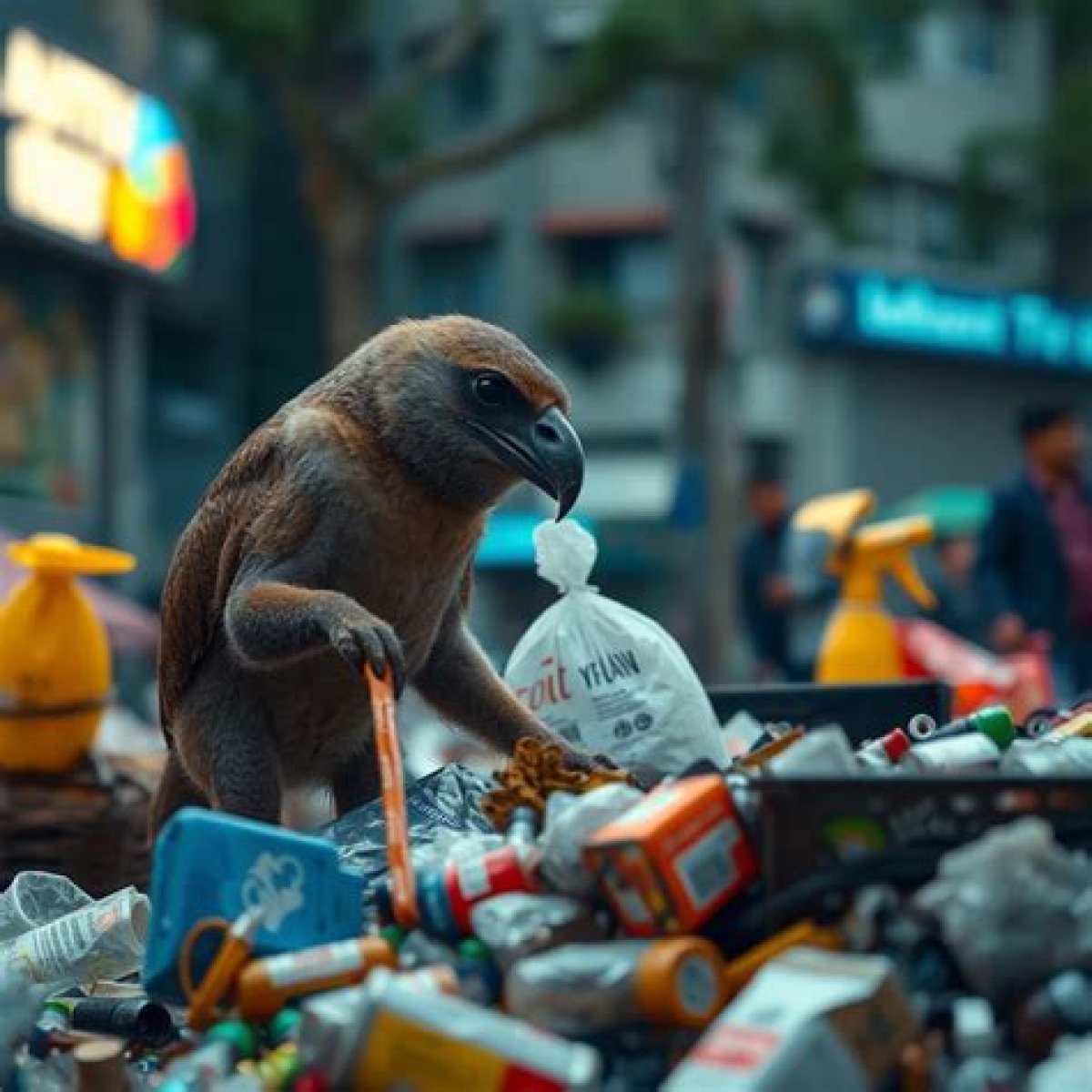
Are you garbage? This provocative question aims to make us reflect on our habits and their consequences on the environment. In an age where climate change and pollution are pressing issues, understanding our role in waste generation is crucial. The choices we make daily contribute to a larger problem that affects the planet and our health. In this article, we will explore the concept of waste, its impact, and how we can make informed decisions to reduce our environmental footprint.
The waste crisis is not just about trash; it encompasses a range of issues including consumerism, sustainability, and environmental justice. With growing concerns over landfills overflowing and oceans filled with plastic, the urgency for change has never been greater. This article will delve into various aspects of waste, from its origins to practical solutions for reducing it.
As we navigate through this discussion, we will provide insights backed by research and expert opinions to ensure that you are well-informed. By the end of this article, you will have a clearer understanding of how your habits contribute to waste and what steps you can take to make a positive impact.
1. Understanding Waste: Types and Definitions
Waste can be categorized into several types, each with its unique characteristics and implications for the environment. Here are the primary categories:
- Municipal Solid Waste (MSW): This includes everyday items discarded by the public, such as food waste, paper, plastics, and metals.
- Hazardous Waste: These are waste materials that pose a threat to human health or the environment, such as chemicals, batteries, and medical waste.
- Industrial Waste: Produced from manufacturing processes, this category includes scraps, by-products, and other materials that are no longer useful.
- E-waste: Electronic waste is a rapidly growing segment that includes discarded electronic devices, such as computers and smartphones.
2. The Environmental Impact of Waste
The environmental consequences of waste generation are vast and alarming. Here are some key impacts:
- Pollution: Waste that is not properly disposed of can contaminate soil, water, and air, leading to health issues for both humans and wildlife.
- Greenhouse Gas Emissions: Landfills produce methane, a potent greenhouse gas that contributes significantly to climate change.
- Loss of Biodiversity: Improper waste disposal can disrupt ecosystems, harm wildlife, and lead to the extinction of species.

