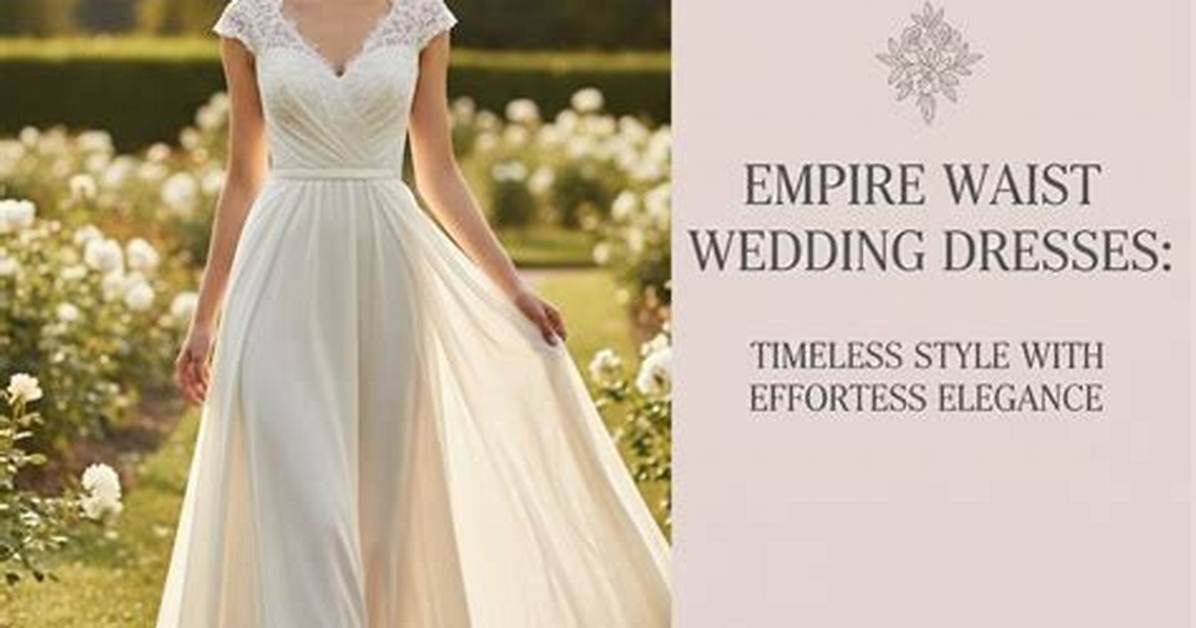
When it comes to selecting the perfect wedding gown, the choices are endless, but one style that has consistently captured the hearts of brides is the empire wedding gown. This elegant design is characterized by its high waistline, which sits just below the bust, flowing into a skirt that cascades down gracefully. The empire wedding gown not only flatters various body types but also exudes a classic charm that transcends the trends of the moment.
In this comprehensive guide, we will explore the history, design elements, and reasons why the empire wedding gown remains a favorite among brides today. From its origins in the Regency era to contemporary adaptations, the empire gown has proven to be a symbol of elegance and sophistication. Whether you are a bride-to-be or simply a wedding enthusiast, this article will provide valuable insights into the allure of empire wedding gowns.
Join us as we delve into the enchanting world of empire wedding gowns, highlighting their unique features, styling tips, and how to choose the perfect dress for your special day. Let’s celebrate the timeless beauty of empire gowns and discover why they continue to be a cherished choice for brides around the globe.
History of Empire Wedding Gowns
The empire wedding gown traces its roots back to the early 19th century, specifically during the Regency era. This period was marked by a shift in fashion towards more relaxed silhouettes, moving away from the restrictive styles of the previous century. The empire waist was popularized by designers like Jean-Paul Gaultier and has since evolved into a beloved choice for brides.
Regency Influence
During the Regency period, the empire gown was characterized by its high waistline and flowing fabric, often made from lightweight materials such as muslin or silk. These gowns were designed to create a soft and feminine silhouette, emphasizing the natural curves of the body. The popularity of this style continued into the Victorian era, adapting to the changing tastes of fashion while retaining its signature elements.
20th Century Resurgence
The empire wedding gown saw a resurgence in the 1960s and 1970s, inspired by the bohemian and romantic movements of the time. Designers began experimenting with colors, fabrics, and embellishments, allowing for greater creativity and individuality in bridal fashion. This era solidified the empire gown's place in modern wedding attire, making it a staple for brides seeking a timeless yet contemporary look.
Key Design Features
Empire wedding gowns are known for several distinctive design features that contribute to their timeless appeal. Understanding these elements can help brides make informed decisions when selecting their perfect dress.
High Waistline
- The defining characteristic of an empire gown is the high waistline, located just under the bust. This design creates an elongated appearance and draws attention to the upper body.
- The high waistline also allows for versatility in styling, accommodating various breast sizes and body shapes.
Flowing Skirt
- Empire gowns typically feature a flowing skirt that drapes elegantly to the floor. This creates a soft and romantic silhouette that flatters many body types.
- The skirt can vary in length and fullness, allowing brides to choose between a more fitted look or a fuller skirt for added drama.

