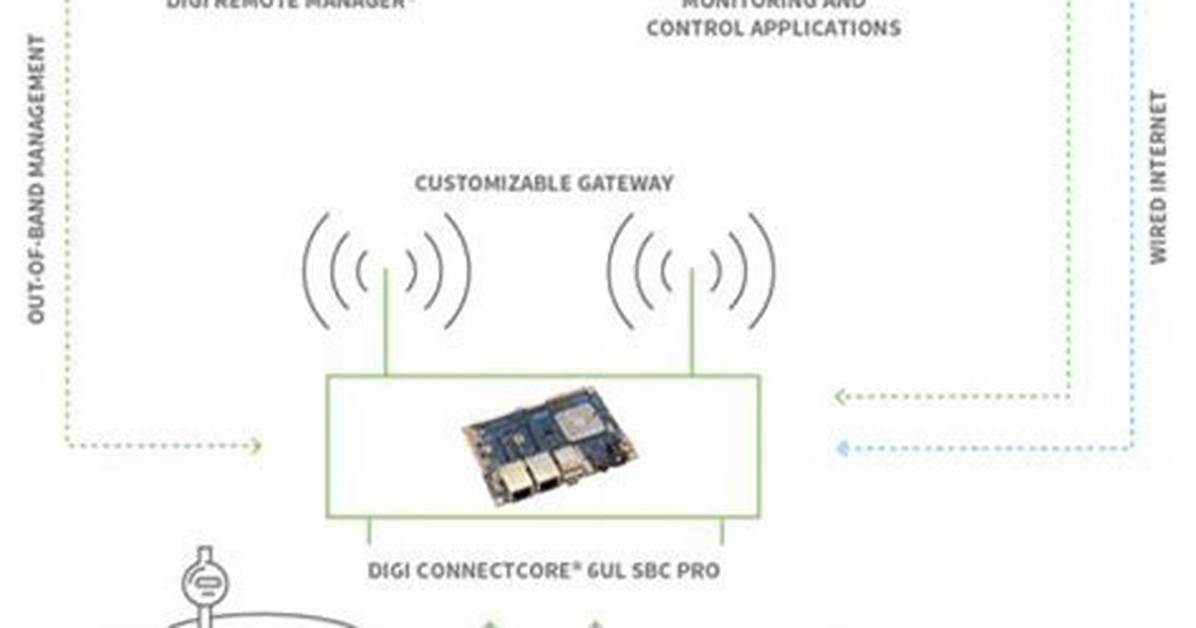
In today's interconnected world, using RemoteIoT behind a router without relying on Windows or paid software is becoming increasingly popular among tech enthusiasts. Whether you're managing IoT devices remotely or setting up a secure connection, understanding the process is essential. This guide will walk you through the steps to achieve this seamlessly.
RemoteIoT technology has revolutionized the way we interact with devices over the internet. However, many users are often confused about how to configure and use RemoteIoT behind a router without the need for Windows-based systems or expensive solutions. This article aims to demystify the process and provide you with practical solutions.
By the end of this guide, you will have a clear understanding of how to set up RemoteIoT securely and efficiently. We'll cover everything from configuring your router to leveraging open-source tools that eliminate the need for proprietary software. Let's dive in!
Introduction to RemoteIoT
RemoteIoT refers to the ability to control and monitor Internet of Things (IoT) devices from a remote location. It enables users to interact with devices such as smart home appliances, security cameras, and industrial sensors without being physically present. The key to successful RemoteIoT implementation lies in proper network configuration and the use of appropriate tools.
Traditionally, RemoteIoT setups have relied heavily on Windows-based systems and paid software. However, advancements in open-source technology have made it possible to achieve similar results without incurring additional costs. This article focuses on leveraging free and open-source tools to set up RemoteIoT behind a router.
Why Use RemoteIoT Behind Router?
Using RemoteIoT behind a router offers several advantages:
- Enhanced Security: Routers provide an additional layer of protection by isolating your IoT devices from the public internet.
- Cost-Effective: By avoiding proprietary software, you can save money while still achieving professional-grade results.
- Flexibility: Open-source tools allow you to customize your setup according to your specific needs.
Moreover, setting up RemoteIoT behind a router ensures that your devices remain accessible even when your local network is down, provided you have a stable internet connection.

