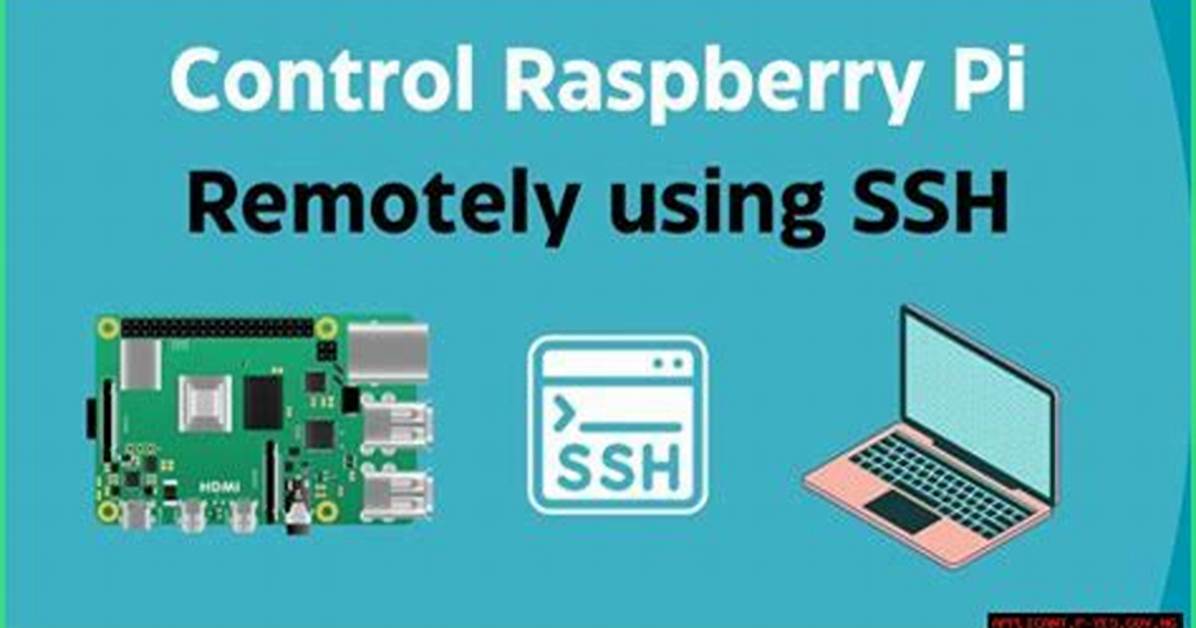
SSH Remote IoT using Raspberry Pi has become one of the most sought-after skills in the tech world. As more devices become interconnected, the ability to securely access and manage IoT systems remotely is crucial for both hobbyists and professionals. In this article, we will delve into the intricacies of setting up and managing SSH on Raspberry Pi for IoT applications, ensuring your setup is both secure and efficient.
From home automation to industrial IoT, Raspberry Pi has emerged as a versatile platform for creating innovative solutions. By leveraging SSH (Secure Shell), users can control and interact with their Raspberry Pi devices from anywhere in the world, provided they have an internet connection. This flexibility opens up endless possibilities for remote monitoring and management.
This guide is designed to provide you with a step-by-step process to set up SSH for remote IoT applications on Raspberry Pi. Whether you're a beginner or an experienced developer, you'll find actionable insights and practical tips to enhance your skills and knowledge.
Introduction to SSH
SSH, or Secure Shell, is a cryptographic protocol used for secure communication over unsecured networks. It provides a secure channel for accessing remote servers, managing files, and executing commands. When it comes to IoT applications, SSH plays a critical role in enabling remote access to devices like the Raspberry Pi.
Why Use SSH for IoT?
SSH ensures that all data transmitted between your local machine and the remote IoT device is encrypted, protecting sensitive information from unauthorized access. Here are some reasons why SSH is ideal for IoT:
- Secure data transmission
- Remote command execution
- File transfer capabilities
- Platform-independent
Raspberry Pi Overview
Raspberry Pi is a series of small single-board computers developed by the Raspberry Pi Foundation. These devices are widely used in educational settings, hobby projects, and even commercial applications due to their affordability and versatility. With its GPIO pins and support for various programming languages, Raspberry Pi is a perfect fit for IoT projects.
Key Features of Raspberry Pi
- Compact size
- Low power consumption
- Support for Linux-based operating systems
- GPIO pins for hardware interfacing

