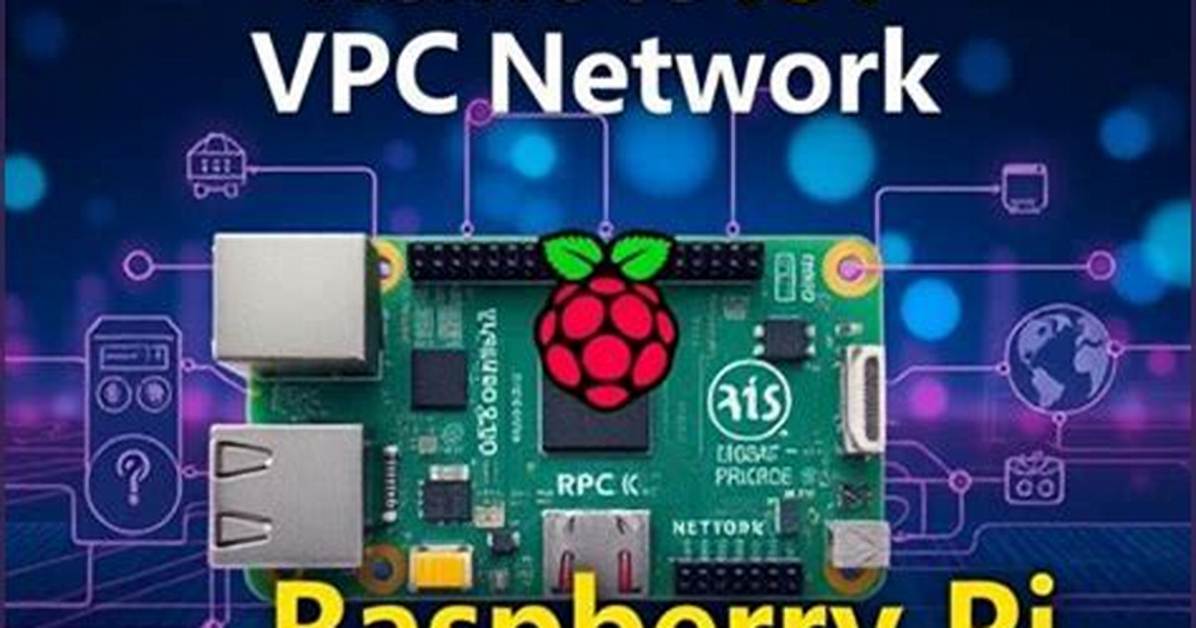
Imagine being able to control devices remotely, gather real-time data, and create smart solutions without breaking the bank. With Raspberry Pi and RemoteIoT, this dream becomes a reality. In this comprehensive Raspberry Pi RemoteIoT tutorial, we will explore how to set up and utilize these powerful tools to build innovative Internet of Things (IoT) projects.
Raspberry Pi has revolutionized the world of DIY electronics and programming. By combining it with RemoteIoT technology, you can take your projects to the next level. Whether you're a beginner or an experienced developer, this Raspberry Pi RemoteIoT tutorial will guide you step-by-step through the process of creating functional and efficient IoT systems.
In this article, we will cover everything from setting up your Raspberry Pi to integrating it with RemoteIoT platforms. By the end of this tutorial, you will have the knowledge and skills to design, develop, and deploy IoT projects that can transform your home, office, or business.
Introduction to Raspberry Pi RemoteIoT
Why Use Raspberry Pi for IoT Projects?
The Raspberry Pi is a compact, affordable, and versatile single-board computer that has become a staple in the maker community. Its low cost, ease of use, and extensive support make it an ideal choice for IoT projects. When paired with RemoteIoT technology, Raspberry Pi becomes even more powerful, enabling remote control, data monitoring, and automation capabilities.
According to a report by MarketsandMarkets, the global IoT market is expected to grow to $1.1 trillion by 2026. This growth highlights the increasing demand for IoT solutions, and Raspberry Pi RemoteIoT projects are at the forefront of this trend.
Benefits of Using RemoteIoT with Raspberry Pi
RemoteIoT offers several advantages when integrated with Raspberry Pi:
- Remote Access: Control your devices from anywhere in the world.
- Data Collection: Gather real-time data from sensors and devices.
- Automation: Automate processes for increased efficiency and convenience.
- Scalability: Easily expand your IoT setup as your needs grow.
Raspberry Pi Basics: Understanding the Hardware
Before diving into Raspberry Pi RemoteIoT projects, it's essential to understand the basics of the Raspberry Pi hardware. The Raspberry Pi comes in several models, each with its own set of features and capabilities. The most popular models include:
- Raspberry Pi 4 Model B
- Raspberry Pi 3 Model B+
- Raspberry Pi Zero W
Each model offers different performance levels, connectivity options, and power consumption. Choose the model that best suits your project requirements.
Key Components of Raspberry Pi
Here are the main components of a Raspberry Pi:
- CPU: The brain of the Raspberry Pi, responsible for processing data.
- GPIO Pins: General-purpose input/output pins for connecting external devices.
- USB Ports: For connecting peripherals such as keyboards, mice, and external storage.
- HDMI Port: For connecting to a monitor or TV.
- MicroSD Card Slot: For storing the operating system and data.

