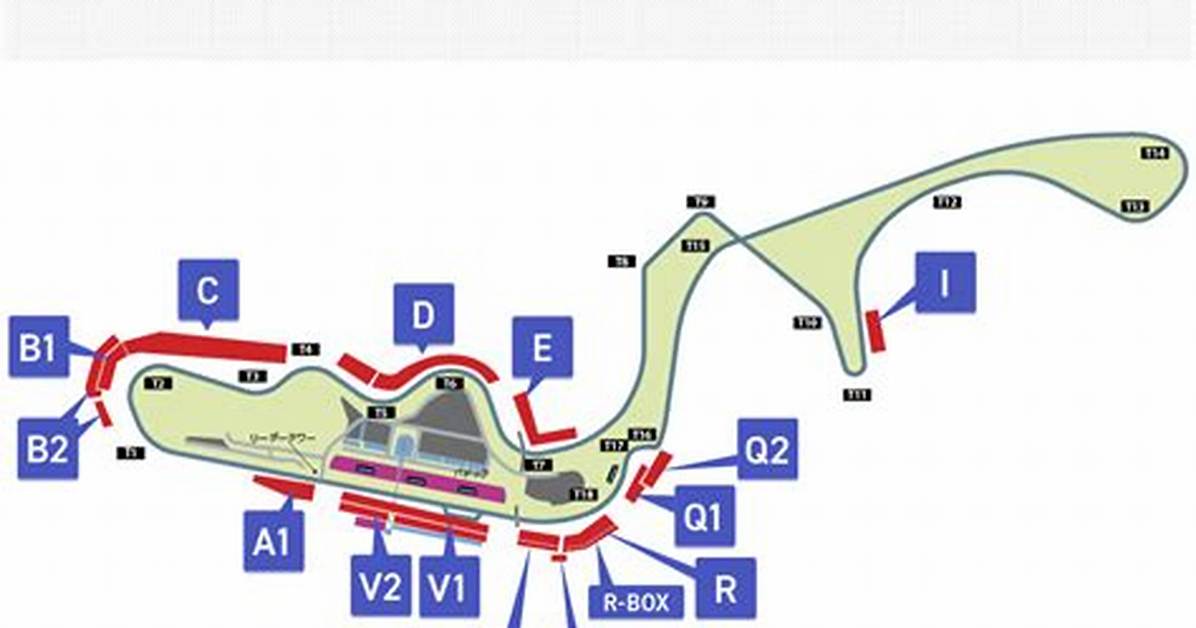
Welcome to an in-depth exploration of the Suzuka International Racing Course, an iconic location in the world of motorsports. This track is not just a racing venue, but a symbol of automotive excellence and engineering prowess. Established in 1962, Suzuka has become synonymous with high-speed action and thrilling competition, attracting fans and drivers from around the globe.
The Suzuka Circuit is unique in its figure-eight layout, which provides a challenging experience for drivers and an exhilarating viewing experience for fans. This article will delve into the rich history, layout features, and significance of the Suzuka International Racing Course, highlighting its role in various motorsport events, including Formula 1 and MotoGP.
Whether you are a motorsport enthusiast, a fan of Japanese culture, or someone looking to visit the track, this comprehensive guide will provide valuable insights and information. Let’s dive into the fascinating world of the Suzuka International Racing Course and discover what makes it a must-visit destination for racing fans.
1. History of Suzuka International Racing Course
The history of the Suzuka International Racing Course is rich and storied. Originally constructed as a test track for Honda in 1962, it quickly evolved into a venue for competitive racing. The first-ever race took place in the same year, marking the beginning of Suzuka's journey as a premier motorsport destination.
Over the decades, Suzuka has hosted various prestigious events, including the Formula 1 Japanese Grand Prix. The circuit's reputation for technical complexity and high-speed corners has made it a favorite among drivers, contributing to its status as one of the most iconic racing tracks in the world.
In addition to F1, the Suzuka Circuit is also known for hosting the Suzuka 8 Hours endurance race, which showcases the best of motorcycle racing. The event has garnered a massive following and has been a platform for major motorcycle manufacturers to display their engineering capabilities.
2. Track Layout and Features
The Suzuka International Racing Course spans 5.807 kilometers and features a unique figure-eight layout. This design allows for an exceptional viewing experience, as spectators can see multiple parts of the track from various vantage points.
Some key features of the Suzuka Circuit include:
- Technical Corners: The track is renowned for its challenging corners, such as the famous "S" Curves and 130R, which test the skill of even the most experienced drivers.
- Elevation Changes: The elevation changes throughout the circuit add to its complexity, making it a true test of driver skill and car performance.
- High-Speed Sections: With long straights and tight corners, the track allows for thrilling overtaking maneuvers and high-speed action.
2.1 Notable Sections of the Track
Among the many sections of the Suzuka Circuit, some of the most notable include:
- The Esses: A series of fast, flowing corners that require precision and commitment.
- Degner Curve: A challenging double apex corner that can make or break a driver’s lap time.
- Casio Triangle: A tight, technical section that tests both braking and acceleration skills.

