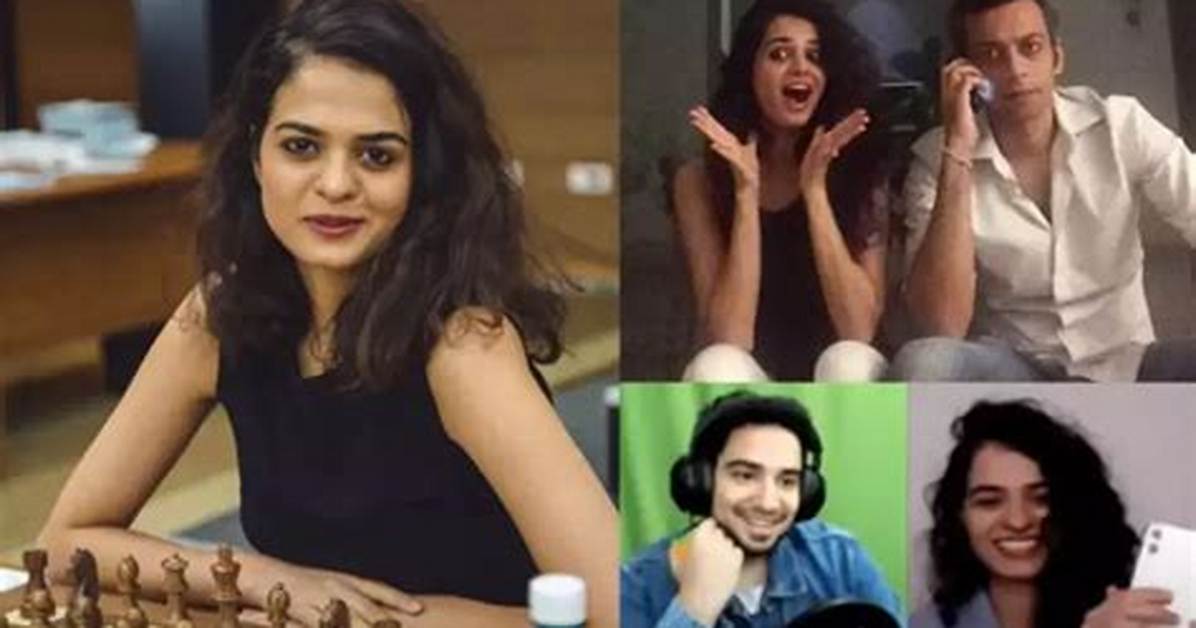
Tania Sachdev has become a prominent name in the world of chess, not only for her remarkable skills but also for her journey as a child chess prodigy. Born in India, she showcased exceptional talent from a young age, making significant strides in the competitive chess community. Over the years, Tania has not only earned numerous accolades but has also inspired countless young chess enthusiasts, especially those who dream of following in her footsteps. Her story is one of dedication, passion, and the relentless pursuit of excellence.
As a child, Tania Sachdev's love for chess was ignited early on, leading her to compete in various tournaments across the globe. Her journey is a testament to the belief that age is just a number when it comes to talent and hard work. Tania has proven that with the right mindset and determination, one can achieve remarkable feats, even as a child. Her contributions to the chess community have paved the way for other young players, encouraging them to embrace their passion and strive for greatness.
The life of Tania Sachdev as a child chess player is not just about her achievements; it’s also about the support and encouragement she received from her family and mentors. Her parents played a crucial role in nurturing her talent, ensuring she had access to resources and opportunities to hone her skills. This article will explore Tania Sachdev's background, her journey as a child chess prodigy, and how she continues to inspire the next generation of chess players.
What is Tania Sachdev's Biography?
Tania Sachdev was born on August 20, 1986, in New Delhi, India. She began playing chess at a very young age, and by the time she was just a child, she had already caught the attention of the chess world. Tania became the youngest female ever to earn the title of International Master in 2005 and has since continued to break barriers and set new records in the chess community.
| Detail | Information |
|---|---|
| Name | Tania Sachdev |
| Date of Birth | August 20, 1986 |
| Nationality | Indian |
| Titles | International Master, Woman Grandmaster |
| Notable Achievements | Multiple National and International Championships |
How Did Tania Sachdev Become a Child Prodigy?
Tania Sachdev’s journey to becoming a chess prodigy began when she was introduced to the game by her mother. Her early exposure to chess laid the foundation for her incredible talent. Tania participated in local tournaments, where her skills quickly became evident. As she progressed, she began competing at higher levels, showcasing her strategic thinking and exceptional ability to read her opponents.
Her dedication and hard work paid off when she achieved the title of Woman Grandmaster at the young age of 22. Tania's rise in the chess world can be attributed to several factors, including her natural talent, rigorous training, and the support of her family. She became an inspiration for many young girls who aspired to excel in a male-dominated field, proving that with determination and perseverance, success is achievable.
What Challenges Did Tania Face as a Child Chess Player?
Despite her success, Tania Sachdev faced numerous challenges as a child chess player. Competing in a highly competitive environment, she often encountered skepticism and pressure, particularly as a young girl in a predominantly male sport. Balancing her education with her passion for chess was another significant challenge, as she had to manage her time effectively to ensure she excelled in both areas.
Tania also faced the pressure of expectations, both from herself and others. The constant scrutiny and desire to perform well in tournaments added to the mental strain she experienced. However, her resilience and determination to overcome these obstacles played a pivotal role in her growth as a player and as an individual.

