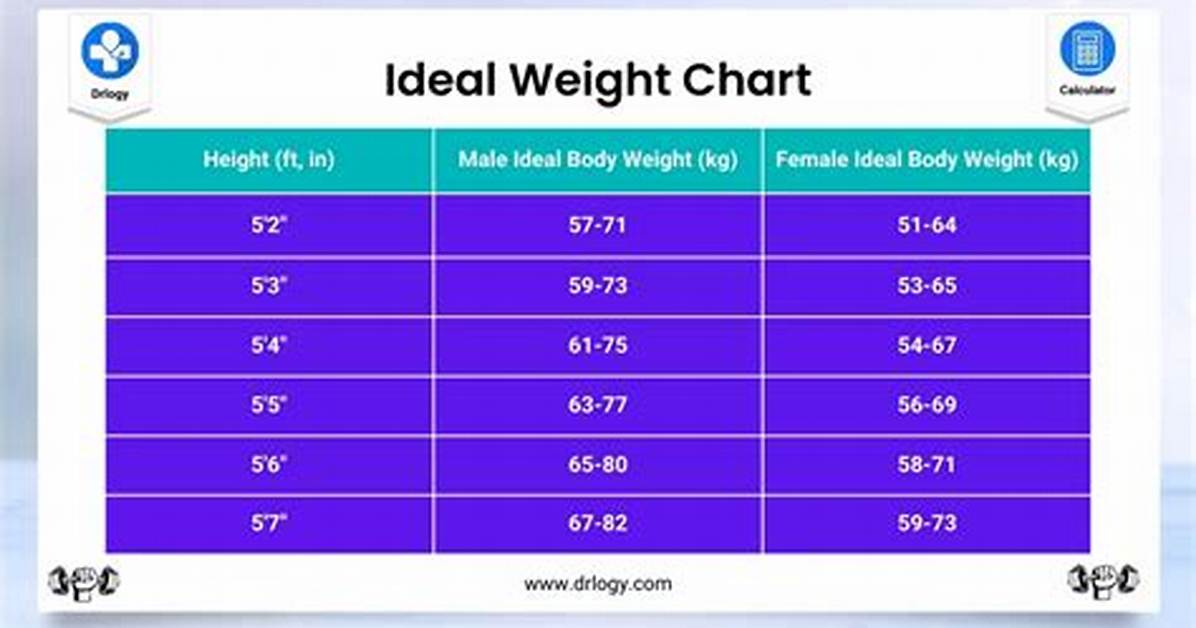
When it comes to health and fitness, one of the common discussions centers around weight, especially for women. Many women who are around 5’5 in height often wonder what an ideal weight range would be for them. This is not just about aesthetics but also about maintaining a healthy lifestyle and ensuring one's well-being. Understanding the factors that contribute to a healthy weight can be quite enlightening, as it encompasses more than just numbers on a scale. The concept of ideal weight varies among individuals and is influenced by numerous factors including age, muscle mass, and body composition. This article will delve into the appropriate weight range for a 5’5 female, offering insights that can help women make informed health choices.
Knowing the 5’5 female weight can aid women in setting realistic fitness goals and understanding their bodies better. Moreover, it’s essential to recognize that weight alone does not determine health. Instead, it should be viewed in conjunction with other health markers such as body fat percentage, muscle tone, and overall fitness. This piece aims to provide a holistic view of what being a healthy 5’5 female entails, taking into consideration various factors that play a pivotal role in achieving and maintaining that health.
As we explore the topic of 5’5 female weight, we will touch upon different aspects such as BMI, lifestyle choices, and the importance of seeking professional guidance. This comprehensive look will not only help women understand their ideal weight but also encourage them to embrace their individuality in their health journeys.
What is the Ideal Weight Range for a 5’5 Female?
Determining the ideal weight for a 5’5 female can be subjective, as various health organizations provide different guidelines. The most recognized method is the Body Mass Index (BMI), which categorizes weight based on height and weight measurements. For a 5’5 female, the ideal weight typically falls within the following ranges:
- Underweight: Less than 115 pounds
- Healthy weight: 115 - 145 pounds
- Overweight: 146 - 174 pounds
- Obesity: 175 pounds and above
However, it's important to note that BMI does not account for muscle mass, which can lead to misleading categorizations. Therefore, it’s vital to consider body composition when assessing ideal weight.
How Does Body Composition Affect Weight?
Body composition refers to the proportion of fat and non-fat mass in the body. For a 5’5 female, having a higher muscle mass can lead to a higher weight, but this does not necessarily indicate poor health. In fact, muscle is denser than fat, meaning that two individuals may weigh the same but have very different body compositions. Understanding this can help women focus on fitness goals that enhance muscle tone while maintaining a healthy weight.
What Role Does Age Play in Determining Weight?
Age is another critical factor that influences weight. As women age, their metabolism tends to slow down, which can affect weight gain or loss. Hormonal changes, especially during menopause, can also lead to changes in body composition, often resulting in increased fat deposition. Therefore, it’s essential for women who are 5’5 to consider their age when evaluating their ideal weight.
How Can Lifestyle Choices Impact Weight?
Lifestyle choices significantly impact weight management. Here are some choices that can help a 5’5 female maintain a healthy weight:
- Regular Exercise: Incorporating both cardio and strength training into a routine can enhance muscle mass and boost metabolism.
- Balanced Diet: Consuming a variety of nutrients, including proteins, healthy fats, and carbohydrates, can aid in weight management.
- Hydration: Staying hydrated plays a crucial role in overall health and can help control appetite.
- Sleep: Quality sleep is essential for metabolic health and can impact weight.

