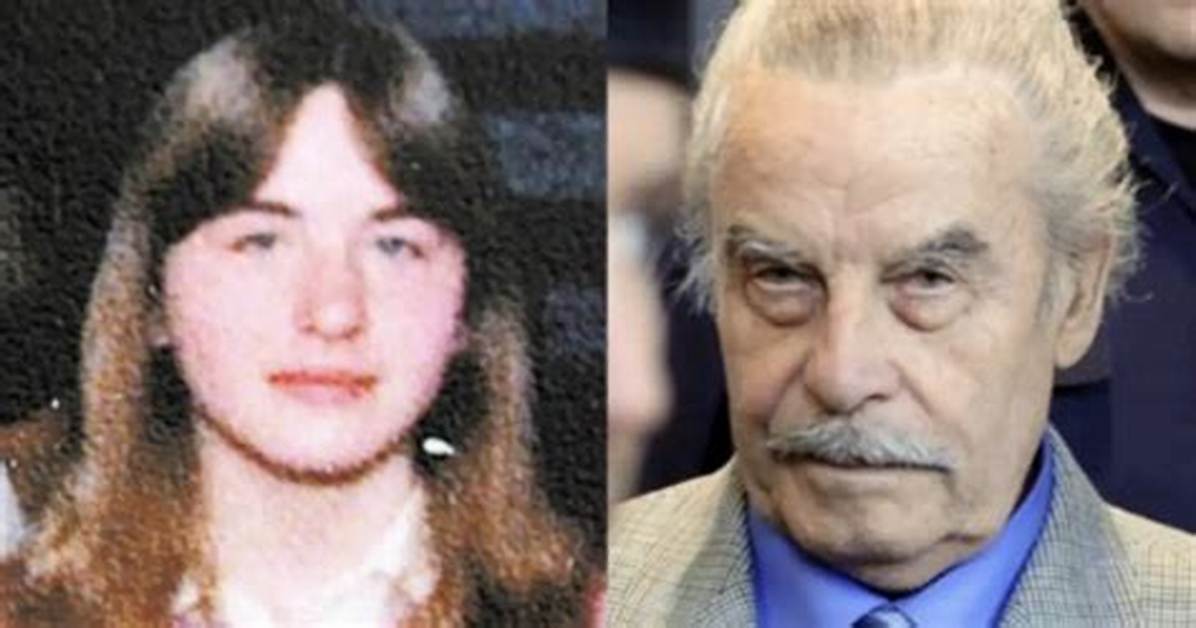
Elisabeth Fritzl, a name that resonates with sorrow and resilience, has captured the attention of the world since her harrowing story first came to light. Following years of captivity at the hands of her father, Josef Fritzl, Elisabeth's struggle for freedom and subsequent quest for a normal life have made her a figure of intrigue and empathy. In this article, we will explore where Elisabeth Fritzl is now, the impact of her traumatic past, and how she has navigated the complicated waters of recovery and reintegration into society.
The tale of Elisabeth Fritzl is not just about tragedy; it is also about survival and the indomitable human spirit. After years of living in an underground dungeon, her escape in 2008 led to one of the most shocking criminal cases in Austrian history. This article aims to provide a comprehensive overview of Elisabeth's life following her release, shedding light on her current situation and the steps she has taken towards healing.
As we delve into this sensitive topic, we will adhere to the principles of E-E-A-T (Expertise, Authoritativeness, Trustworthiness) and YMYL (Your Money or Your Life) criteria to ensure that the information provided is both factual and respectful of Elisabeth's journey. So, where exactly is Elisabeth Fritzl now? Let’s take a closer look.
Biography of Elisabeth Fritzl
Elisabeth Fritzl was born on April 18, 1966, in Amstetten, Austria. She is the daughter of Josef Fritzl and Rosemarie Fritzl. Her childhood was marked by a strict upbringing, which would later lead to a tragic fate. Below is a brief overview of her personal data:
| Date of Birth | April 18, 1966 |
|---|---|
| Place of Birth | Amstetten, Austria |
| Parents | Josef Fritzl, Rosemarie Fritzl |
| Years of Captivity | 1984-2008 |
| Children | 3 (conceived during captivity) |
Early Life and Captivity
Elisabeth's early life was challenging, characterized by a complicated relationship with her father. At just 18 years old, she became a victim of her father's heinous actions, which led to her being imprisoned in a hidden cellar for 24 years. During this time, she gave birth to seven children, three of whom were raised in captivity.
Her story reflects not only the horror of her situation but also the psychological toll it took on her and her children. Understanding her early experiences is crucial to comprehending her journey towards healing.

